Fence installation in Toledo, from the first stake to the last gate latch
Putting up a fence looks simple from the sidewalk: holes, posts, panels, done. The parts that decide whether it stays plumb happen before the first panel is hung. Somebody has to pin down where your lot actually ends, get buried utilities flagged, clear the plan with the city or township and any association, and then dig into Toledo clay that holds water like a bathtub. After that come choices about how posts are anchored, how the line handles a dip in the yard, and how each gate is framed so it still swings true years from now. This page follows that sequence in order, explains what a sound proposal should name, and gives an honest sense of how long each stage tends to take.
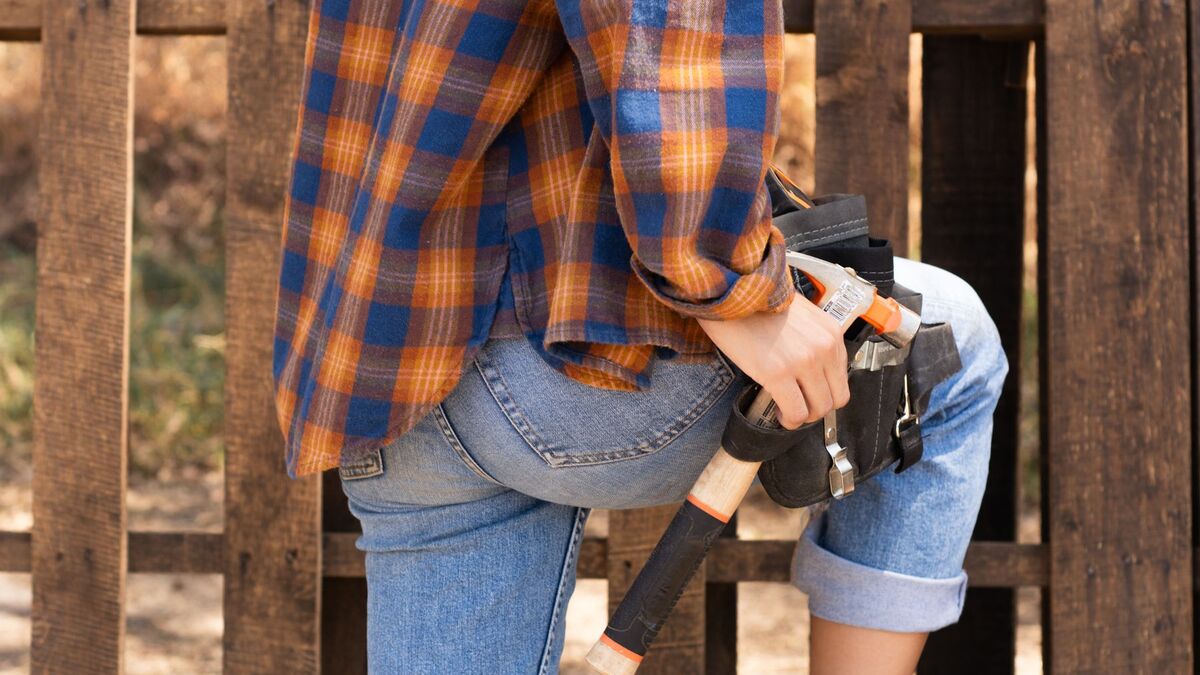
Walking the line and finding the survey pins
Every project starts with a walk along the proposed route. The goal is to see the ground, spot trees and roots, note low spots that hold water, and figure out where gates belong. Most important, it confirms where the property line actually is. Fences that wander a foot onto the neighbor's side cause disputes that are expensive to undo.
Many lots have iron survey pins buried at the corners, sometimes a few inches below the surface. A metal detector often finds them. Your closing paperwork may include a plat or a survey drawing that shows the lot dimensions. When pins cannot be located or the documents leave doubt, bringing in a professional land surveyor to reset the corners is the cleanest fix. Many homeowners also set the fence slightly inside their own line so there is room to maintain the outside face.
Flagging buried utilities through OHIO811
Before anyone digs, Ohio law calls for a request to OHIO811, the free service that sends utility companies out to mark their buried lines with paint and flags. Gas, electric, phone, cable and water lines can run anywhere across a yard, and some sit shallower than people expect. The request has to be placed ahead of the dig date so each utility has time to respond.
The public utilities only mark their own lines up to the meter. Privately owned lines, such as a buried feed to a detached garage, a lamp post, an irrigation system or an invisible dog fence, are not marked by OHIO811. Tell the contractor about any of those you know about so the post layout can work around them.
Permits, zoning reviews and homeowner association sign-off
Many cities, villages and townships in Lucas and Wood counties ask for a fence permit, and the rules differ from one jurisdiction to the next. The zoning code usually covers how tall a fence can be in different parts of the yard, how far it must sit from sidewalks or the street, and which side faces out. Corner lots often carry visibility rules that limit height near the intersection so drivers can see around it. Pool barriers have their own requirements.
Associations in newer subdivisions often add their own layer: approved materials, colors, heights and styles, and sometimes a design review before work begins. Get association approval in writing before materials are ordered. The contractor can often help with the permit application, but the property owner is ultimately responsible for meeting the rules at the address.
Digging post holes in Black Swamp clay
Toledo sits on the flat lake bed of the old Great Black Swamp, and the soil across much of the area is dense clay that drains slowly. That clay is hard to dig, sticks to augers, and holds water around posts for long periods after rain or snowmelt. It also expands as it freezes, which can lift a post that was not set deep enough.
Post holes have to reach below the depth where frost penetrates in a Northwest Ohio winter, and the local building department sets the required depth for your address. Holes are usually dug with a power auger, though tight spots near a house or tree roots may need hand digging. Hole width matters as much as depth: a wider bottom gives the setting material more grip in the soil.
Anchoring posts: concrete, compacted stone or foam
How a post is anchored changes how it handles wet clay and frost. Each method has its supporters, and the best choice depends on the soil, the material and the post's job:
- Concrete: the most common choice for gate posts, corners and end posts. Shape the top so it sheds water away from the wood, and avoid a mushroom-shaped top that frost can grab and lift.
- Gravel or crushed stone: tamped in layers, it lets water drain away from the post base. It works well for wood line posts in clay when the stone is thoroughly compacted.
- Gravel base with concrete above: some builders put a few inches of stone at the bottom of the hole for drainage, then fill the rest with concrete.
- Expanding foam: quick and light, used by some installers for line posts on lighter fences. It is less common for gates and heavy privacy sections.
Handling slopes by stepping or racking
Even on flat ground, most yards have some rise and fall. There are two ways to handle it. Stepping keeps each panel level and drops it down at each post, creating a stair-step top line with triangular gaps below each section. That approach suits preassembled vinyl and aluminum panels that cannot bend.
Racking tilts each panel to follow the slope of the ground, so the bottom of the fence stays close to the soil. Wood and chain link adapt to racking easily; some vinyl and aluminum systems are designed for it within a limited range. For a dog yard, racking or filling the gaps is usually the better choice. The right method depends on your material, your grade and how the fence will be used.
Building gates that keep swinging true
No section of a fence gets handled as roughly as its gate, and most sagging problems start with how the gate was built and hung. A wood gate needs a diagonal brace that runs from the low corner on the hinge side up toward the high corner on the latch side, so it pushes weight back into the hinges. A sturdy hinge post, set deeper or wider than a line post, keeps the gate from pulling the post over.
Hardware matters too. Heavy-duty hinges, a latch that matches the use, a drop rod or cane bolt for double gates, and a gate stop all help. Pool gates have to be self-closing and self-latching. Plan gate width around what needs to pass through: a mower, a wheelbarrow or a trailer. Material-specific gate details are on the vinyl fence, wood privacy fence and chain link fence pages.
Taking out and hauling away the old fence
If an old fence is on the line, it usually has to come out first. Tear-out involves lifting off the sections, wrenching each post free, cracking apart whatever concrete clings to it, and trucking the debris off the property. Old footings can be large and heavy, and they sometimes sit right where new posts need to go, which means either digging them out or shifting the new layout slightly.
Proposals should list tear-out and disposal as their own line items so you can compare them fairly. If part of the old fence is in good shape and just needs work, the fence repair page covers the repair-versus-replace decision.
The sequence of a typical fence project
Projects vary with size and season, but most move through the same steps in roughly this order:
- A site visit to walk the line, measure, note gates and grade, and discuss material and style.
- A written proposal with a drawing and a full breakdown of the work.
- Permit and association approvals, which can take anywhere from days to several weeks depending on the office.
- An OHIO811 request a few business days before digging.
- Material ordering and delivery, which depends on the product and season.
- Old-fence removal and post setting, often followed by a pause while concrete cures.
- Panels, rails, gates and hardware, then a final walk-through and cleanup.
How long each stage tends to take
The actual build on an average residential lot often takes a day or a few days, depending on length, material and how hard the digging is. The weeks before that are usually longer: proposals, approvals, utility marking and material lead time add up. Spring and early summer are the busiest times in the region, so schedules tend to stretch then. Late summer and fall are often easier to book.
Fences can be built in winter as long as the ground is not frozen too deep to dig, though cold weather slows concrete curing. No honest contractor can promise a firm date before seeing the job, approvals are in hand and materials are confirmed.
What a complete fence installation proposal should spell out
A good quote makes it easy to compare contractors on equal terms. Look for total length and height, material and style, how many gates and their widths, post size and spacing, how posts will be set and how deep, removal and disposal of any old fence, permit handling, and cleanup. It should also describe the workmanship coverage and what it includes. If anything is missing, ask before you sign.
We connect homeowners across Toledo and nearby communities, including Perrysburg, with a residential fence contractor working the region. Browse the full list on the service areas page. To get the process started, head to the contact page, share where the property is, and add a couple of photos showing the fence route.
Fence installation in Toledo — common questions
Does Toledo make you pull a permit before a fence goes up?
Many Northwest Ohio communities require a permit, and Toledo has its own zoning and permit process. The rules can vary by city, village and township, and by where on the lot the fence will sit. Before ordering materials, check with the zoning or building office that covers your address and with any homeowner association. Ask about height, placement, which side faces out and any corner visibility rules. Some contractors will handle the application for you, but the owner is responsible for compliance.
Whose job is it to pin down the lot line before digging starts?
The property owner is responsible for knowing where the line is. A contractor can help look for survey pins and read your plat or survey drawing, but cannot settle legally where a boundary sits. If pins are missing or the documents leave doubt, a professional land surveyor can reset the corner markers. Many homeowners set the fence a short distance inside their own line to avoid any question and leave space to maintain the outside face. Talking with your neighbor before the work starts helps too.
Concrete or tamped gravel around posts in heavy clay: which holds better?
Both can work in Toledo-area clay if the job is done well. Concrete gives strong support and is the usual choice for gate posts, corners and ends. Compacted gravel drains water away from the post, which can help wood line posts last longer in soil that stays wet. Some builders combine the two, with a layer of stone at the bottom for drainage and concrete above. What matters most is setting the post below the frost line your local building department specifies.
Is it possible to put a fence in while the ground is cold?
Often, yes. As long as the ground is not frozen too deeply to dig, posts can be set in winter. Contractors may use different concrete mixes or extra curing time in cold weather, and snow can slow the work. The upside is that winter schedules are usually easier to book than spring and summer. Expect the plan to shift with the weather, and expect the contractor to judge on site whether the ground can be dug.
Once work begins, how many days until the fence is finished?
On a typical residential lot, the build itself often takes one to a few days. Long runs, rocky or root-filled ground, steep grades, multiple gates and old-fence removal can add time. Concrete may need to cure before panels go on. The bigger time factors usually come earlier: approvals, utility marking and material delivery. A contractor can give you a realistic estimate after seeing the job, but no one should promise a firm finish date before then.
Which way should the good side of a new fence face?
In many communities, the zoning code or the homeowner association expects the smooth side, with the framing hidden behind it, to look outward toward neighbors and the street. Even where it is not required, it is a common courtesy. Styles such as shadowbox and many vinyl panels look the same on both sides, which avoids the question entirely. Check the rules for your address before the fence goes up so the layout matches.
Can the new fence reuse the old posts and footings?
Sometimes, but usually not. Old posts are often near the end of their life, and old footings may be cracked, shallow or the wrong size for the new material. They also often sit right where new posts need to go, which means digging them out. In most cases, removing the old fence entirely and starting fresh gives a straighter, longer-lasting result. A proposal should list tear-out and disposal so you know what is included.
Talk through your site
Start with the address, what you want done, and a few photographs of the area, including anywhere water sits after a heavy rain.
Related work
Fence Repair
Heaved and leaning posts, wind damage across open lots, rot and gates that will not latch.
Wood Privacy Fences
Treated pine and cedar privacy styles, post spacing for wind and staining cycles.
Vinyl Fences
Vinyl privacy, semi-privacy and picket fences, wall thickness and cold-weather toughness.
Chain Link Fences
Chain link for dogs, back lot lines and large yards, galvanized or black-coated.
Across the metro
Perrysburg
Wood County suburb with newer subdivisions, association rules and pools along the Maumee River.
Sylvania
Northwest suburb with wooded lots, established neighborhoods and larger backyards.
Maumee
River town with older housing stock, mature trees and lots near the floodplain.
Oregon
East-side lots near the lake with flat open ground, wind and wet soils.